🔓 Unlock Android Phone Without Password – The Ultimate 2026 Guide
Introduction
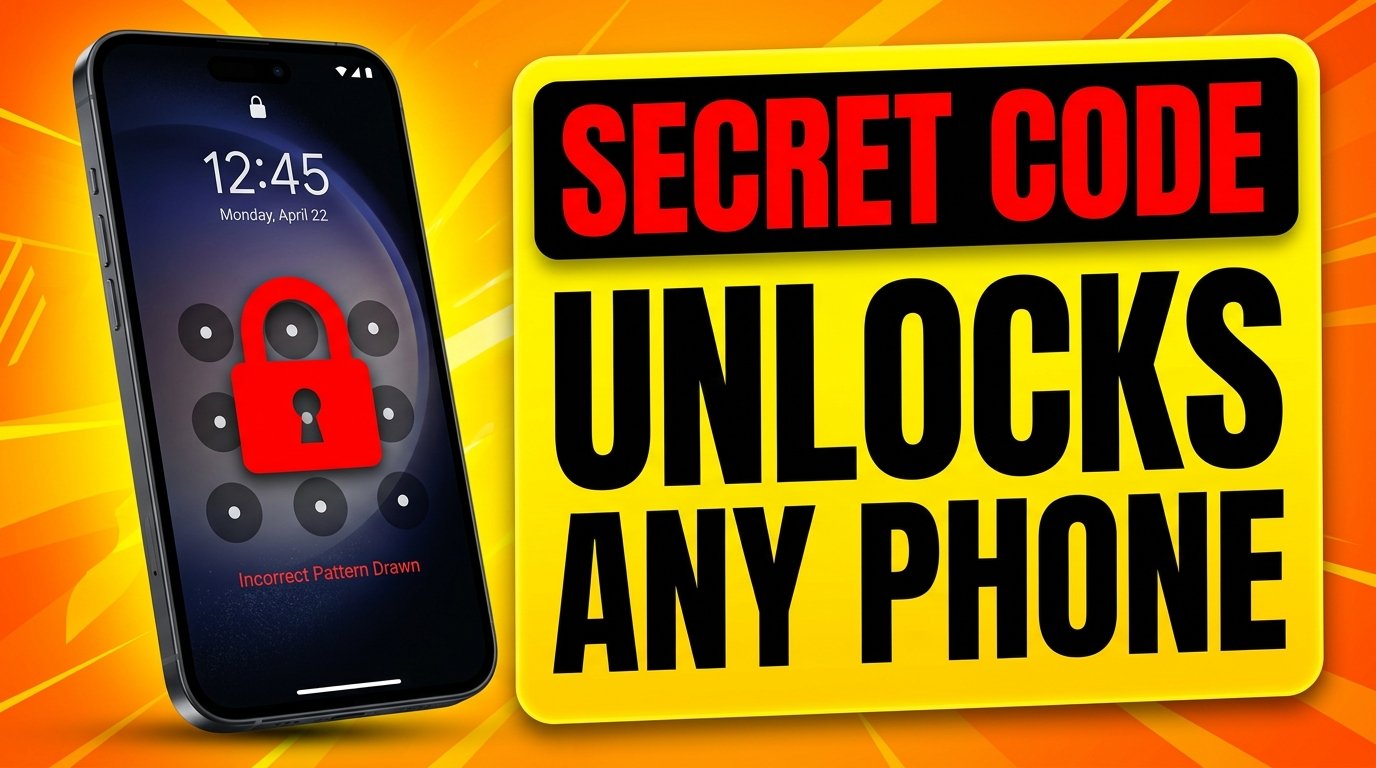
Getting locked out of your Android phone can be frustrating, especially when you need urgent access to your contacts, photos, documents, or apps. Whether you’ve forgotten your PIN, password, pattern lock, or purchased a second-hand device that is locked, there are several legitimate ways to regain access.
In this ultimate 2026 guide, you’ll learn how to unlock an Android phone without a password using safe and official methods. We will also discuss important security considerations, risks, and preventive measures to avoid future lockouts.
Important: This guide is intended only for unlocking devices that you own or have permission to access.
Why Android Phones Get Locked
Android devices use multiple security layers to protect user data. Common lock methods include:
- PIN codes
- Passwords
- Pattern locks
- Fingerprint authentication
- Face recognition
- Smart Lock features
Users may become locked out due to:
- Forgotten passwords
- Multiple incorrect attempts
- Factory reset protection (FRP)
- Software glitches
- Second-hand device purchases
Fortunately, Android offers several recovery options.
Method 1: Use Google’s Find My Device
One of the safest methods to regain access to your Android phone is through Google’s Find My Device service.
Requirements
- Device connected to the internet
- Google account logged in
- Find My Device enabled
Steps
- Visit the Find My Device website.
- Sign in using the Google account linked to the phone.
- Select your device.
- Choose Erase Device.
- Confirm the action.
- Wait for the process to complete.
After erasing the device, you can set it up again using your Google account.
Pros
- Official Google method
- Highly secure
- Works remotely
Cons
- Deletes all local data
- Requires internet connection
Method 2: Unlock Using Samsung Find My Mobile
Samsung users have an additional recovery option.
Requirements
- Samsung account logged in
- Remote features enabled
- Internet connection
Steps
- Open Samsung Find My Mobile.
- Sign in to your Samsung account.
- Select your device.
- Follow available recovery options.
Samsung regularly updates its security policies, so available options may vary depending on your device model and Android version.
Advantages
- Official Samsung service
- Easy to use
- Remote management features
Method 3: Use Smart Lock Features
Android’s Smart Lock can automatically unlock your device under trusted conditions.
Smart Lock Options
- Trusted locations
- Trusted devices
- On-body detection
- Trusted places
If Smart Lock was enabled before the lockout:
- Move to your trusted location.
- Connect your trusted Bluetooth device.
- Check whether the device unlocks automatically.
Benefits
- No data loss
- Fast recovery
Limitations
- Must be configured before getting locked out
Method 4: Factory Reset Through Recovery Mode
A factory reset is often the last resort when other methods fail.
Warning
This method removes all locally stored data.
Steps
- Power off your Android phone.
- Press the correct button combination:
- Power + Volume Up
- Power + Volume Down
- Device-specific combinations
- Enter Recovery Mode.
- Select Wipe Data/Factory Reset.
- Confirm the action.
- Reboot the device.
After Reset
You must verify ownership using the previously synced Google account because of Factory Reset Protection (FRP).
Pros
- Works on most Android devices
- No special software required
Cons
- Deletes personal data
- Requires account verification
Method 5: Unlock Through Google Account Recovery
If you remember your Google account but not the device password, account recovery may help.
Steps
- Visit Google’s account recovery page.
- Verify your identity.
- Reset your account credentials if necessary.
- Use the recovered account during device setup after a reset.
Advantages
- Official solution
- Secure process
Best For
- Users who forgot account details along with their phone password.
Method 6: Use Android Backup Restoration
Many Android devices automatically back up important data.
What Can Be Restored?
- Contacts
- Photos
- App settings
- Messages (on supported devices)
- Wi-Fi passwords
Steps
- Reset the device if necessary.
- Sign in with the same Google account.
- Choose the latest backup.
- Restore your data.
This helps minimize losses after regaining access.
Understanding Factory Reset Protection (FRP)
Factory Reset Protection is a security feature introduced by Google to prevent unauthorized access.
How FRP Works
After a factory reset:
- The device requests the previously synced Google account.
- Ownership verification is required.
- Unauthorized users cannot activate the device.
Why FRP Is Important
FRP helps protect:
- Personal data
- Banking information
- Photos and videos
- Business documents
If you are the legitimate owner, simply sign in with your Google account.
Common Mistakes to Avoid
Many users make mistakes that complicate the recovery process.
1. Repeated Wrong Attempts
Entering incorrect passwords repeatedly can trigger longer lock periods.
2. Using Untrusted Software
Many websites claim to unlock Android devices instantly.
Risks include:
- Malware infection
- Data theft
- Permanent device damage
- Account compromise
Always use official methods whenever possible.
3. Forgetting Google Account Credentials
Keep your Google account information updated and accessible.
4. Ignoring Backups
Regular backups significantly reduce the impact of lockouts.
How to Prevent Future Android Lockouts
Prevention is always better than recovery.
Enable Biometric Authentication
Use:
- Fingerprint unlock
- Face recognition
These methods are faster and easier than typing passwords.
Store Passwords Securely
Use a reputable password manager to save important credentials.
Enable Smart Lock
Configure:
- Trusted locations
- Trusted Bluetooth devices
This provides additional convenience.
Keep Recovery Information Updated
Ensure your Google account includes:
- Recovery email
- Recovery phone number
- Updated security settings
Perform Regular Backups
Automatic cloud backups can save:
- Photos
- Contacts
- Messages
- App data
Frequently Asked Questions
Can I unlock an Android phone without losing data?
In some cases, yes. Smart Lock and manufacturer recovery features may allow access without data loss. However, many recovery methods require a factory reset.
Is it legal to unlock a phone without a password?
It is legal only if you own the device or have permission from the owner.
Can Google unlock my phone remotely?
Google provides account recovery and Find My Device features, but security restrictions limit direct remote unlocking.
Does factory reset remove FRP?
No. Factory Reset Protection remains active and requires verification using the previously synced Google account.
What if I forgot both my password and Google account?
You should first recover your Google account through Google’s official account recovery process before attempting device setup.
Conclusion
Getting locked out of an Android phone can be stressful, but several legitimate recovery options are available in 2026. Methods such as Google Find My Device, Samsung Find My Mobile, Smart Lock, Google Account Recovery, and factory reset procedures can help restore access while maintaining security.
The safest approach is always to use official recovery tools provided by Google or your device manufacturer. Avoid unofficial unlocking software, keep your account credentials secure, enable backups, and configure recovery options before problems occur.
By following the methods outlined in this guide, you can safely regain access to your Android device and reduce the risk of future lockouts.